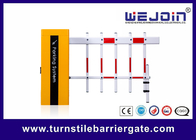
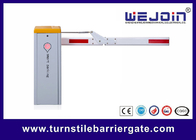
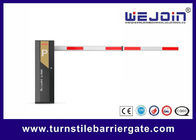
Otopark tesisleri ve akıllı erişim noktaları için daha hızlı bir bariyer kapısı otomatik olarak daha iyi bir çözüm anlamına gelmez.
Yüksek hızlı çalışma aynı zamanda daha büyük hareket ataleti, daha hızlı başlatma ve durdurma ve mekanik kontrol için daha yüksek gereksinimler anlamına gelir.
Bu nedenle, yüksek hızlı bariyer kapısı tasarımı trafik verimliliği, hareket kontrolü ve güvenlik korumasını birlikte dikkate almalıdır.
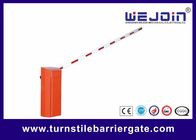
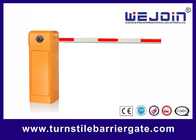
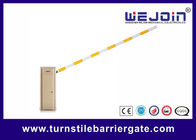
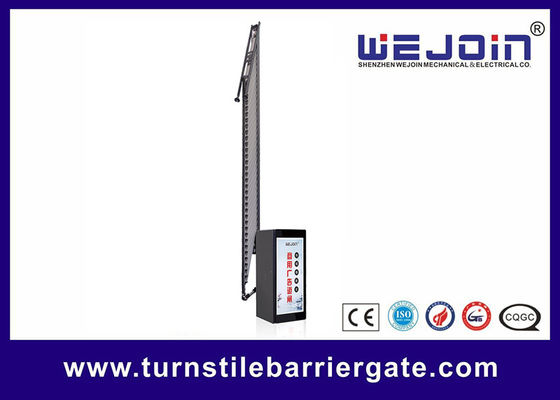
WEJOIN G30, bu gereksinimleri 3D çift tahrik yapısı, değişken frekanslı kontrol ve bom darbe kurtarma işlevi aracılığıyla karşılar.
Yüksek Hızlı Çalışma Hareket Kontrolü ile Başlar
G30, dikey ve yatay hareket için iki tahrik sistemi kullanır.
WEJOIN'in resmi bilgilerine göre, iki tahrik sistemi sırasıyla iki kademeli planet dişli şanzıman ve iki kademeli dişli şanzıman kullanarak üç boyutlu kavisli bir bom yörüngesi oluşturur.
Bu yapı, sistemin yalnızca tek eksenli bir rotasyona güvenmek yerine farklı yönlerde hareketi kontrol etmesini sağlar.
Resmi ürün spesifikasyonu 0,3 saniyelik bir çalışma hızı listeler.
Bom Darbe Kurtarma Mekanik Darbeyi Azaltmaya Yardımcı Olur
Araç giriş ve çıkışları, bariyer bomlarını kazara araç temasına veya diğer dış kuvvetlere maruz bırakabilir.
G30, bir bom darbe kurtarma işlevi içerir.
Bom harici bir darbeye maruz kaldığında, kurtarma mekanizması bom ve bariyer mekanizmasına doğrudan darbeyi azaltmaya yardımcı olabilir.
Bu işlev, mekanik güvenlik tasarımının bir parçasıdır ve özellikle yüksek hızlı bariyer kapısı uygulamaları için geçerlidir.
Çift Tahrik Ek Bir Yedeklilik Katmanı Ekler
G30 iki tahrik motoru kullanır.
Resmi ürün bilgilerine göre, bir tahrik arızalanırsa, diğer tahrik ilgili uzamsal yönde çalışmaya devam edebilir.
Ürün tasarımı açısından bu, tahrik sistemi yedekliliği biçimini temsil eder.
Bu, bariyerin her olası arıza durumunda tam çalışmayı sürdürdüğü anlamına gelmez. Bunun yerine, çift tahrik yapısı, tek bir tahrik arızasının genel mekanik hareket üzerindeki etkisini sınırlamaya yardımcı olur.
Üç Boyutlu Alanda Ayarlanabilir Durma Konumları
G30, üç boyutlu uzayda farklı noktalarda durma konumlarını destekler.
Farklı kurulum ortamları için gerekli bom yüksekliği ve durma konumu değişebilir.
Bu nedenle ayarlanabilir durma konumları, bariyer kapısını farklı proje koşulları için yapılandırırken ek esneklik sağlar.
Yüksek Hızlı Bariyer Kapıları Yalnızca “0,3 Saniye” ile Değerlendirilmemelidir
Yükleniciler ve otopark sistemi entegratörleri için yüksek hızlı bir bariyer kapısı, aşağıdakiler de dahil olmak üzere birden çok parametreye göre değerlendirilmelidir:
- Çalışma hızı
- Tahrik yapısı
- Şanzıman sistemi
- Bom uzunluğu
- Güvenlik algılama yöntemi
- Kontrol sistemi
- Çalışma sıcaklığı
- Çalışma ömrü
G30'un resmi spesifikasyonları -30°C ila 70°C çalışma sıcaklığı aralığı, 8 milyon döngü çalışma ömrü ve 0,3 saniyelik çalışma hızı içerir.
Bu spesifikasyonlar, proje ekiplerinin ekipmanı yalnızca “yüksek hızlı” iddialarını karşılaştırmak yerine gerçek çalışma koşullarına göre değerlendirmelerine olanak tanır.
Ürün Spesifikasyonlarından Proje Gereksinimlerine
Yüksek hızlı bir bariyer kapısının gerçek değeri, uygulamaya göre değerlendirilmelidir.
Ticari otopark tesisleri ve yüksek trafikli endüstriyel parklar için yüksek hızlı çalışma, genel trafik verimliliği tasarımının bir parçası olabilir.
Ancak, konut otopark tesisleri için trafik hacmi, güvenlik yapılandırması, gürültü ve sistem maliyeti de dikkate alınmalıdır.
Bu nedenle G30 teknoloji yaklaşımı şu şekilde özetlenebilir:
Yüksek frekanslı araç erişim uygulamaları için 3D çift tahrik teknolojisini, yay mekanizması olmayan bir mekanizmayı ve değişken frekanslı kontrolü birleştiren bir bariyer kapısı çözümü.


 Mesajınız 20-3.000 karakter arasında olmalıdır!